
Ceylon sapphires: born of an ancient island
A guide to Sri Lanka’s sapphire country — its geology, colours, traditional mining, royal associations and remarkable stones.
Explore blue sapphiresMore than two thousand years of gem history
Long before the island was called Ceylon, Sanskrit writers knew it as Ratna-Dweepa — the “Island of Jewels”. Arab traders called it Serendib, a name that later inspired the word serendipity: a fortunate discovery.
Sri Lanka has supplied gemstones for at least two millennia. Its sapphires travelled through ancient maritime routes linking South Asia, the Middle East and Europe. Today the historic trade name “Ceylon sapphire” remains associated with stones admired for bright appearance, transparency and an unusually broad palette of colours.
How the island gives up its gems
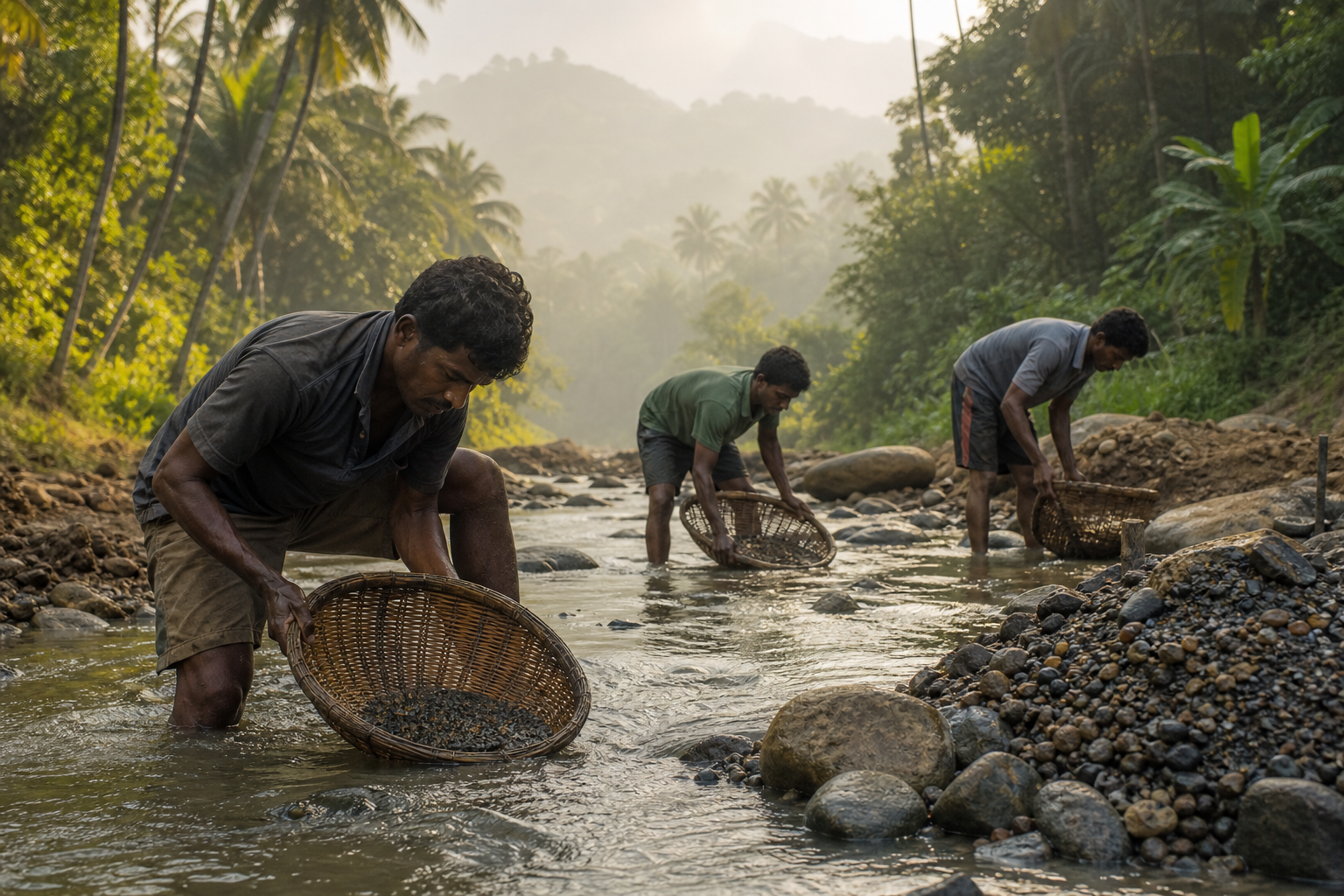
Much of Sri Lanka’s gem wealth lies in secondary alluvial deposits. Over immense periods, weathering released durable crystals from ancient metamorphic rock. Water carried them into valleys and buried them among rounded gravel, clay and sand known locally as illam.
Ratnapura — literally “City of Gems” — is the best-known centre, while Balangoda, Elahera and other districts also contribute to the island’s gem story. Traditional miners sink timber-supported pits or wash river gravel in woven baskets. The work is small-scale, physical and shaped by knowledge handed from one generation to the next.
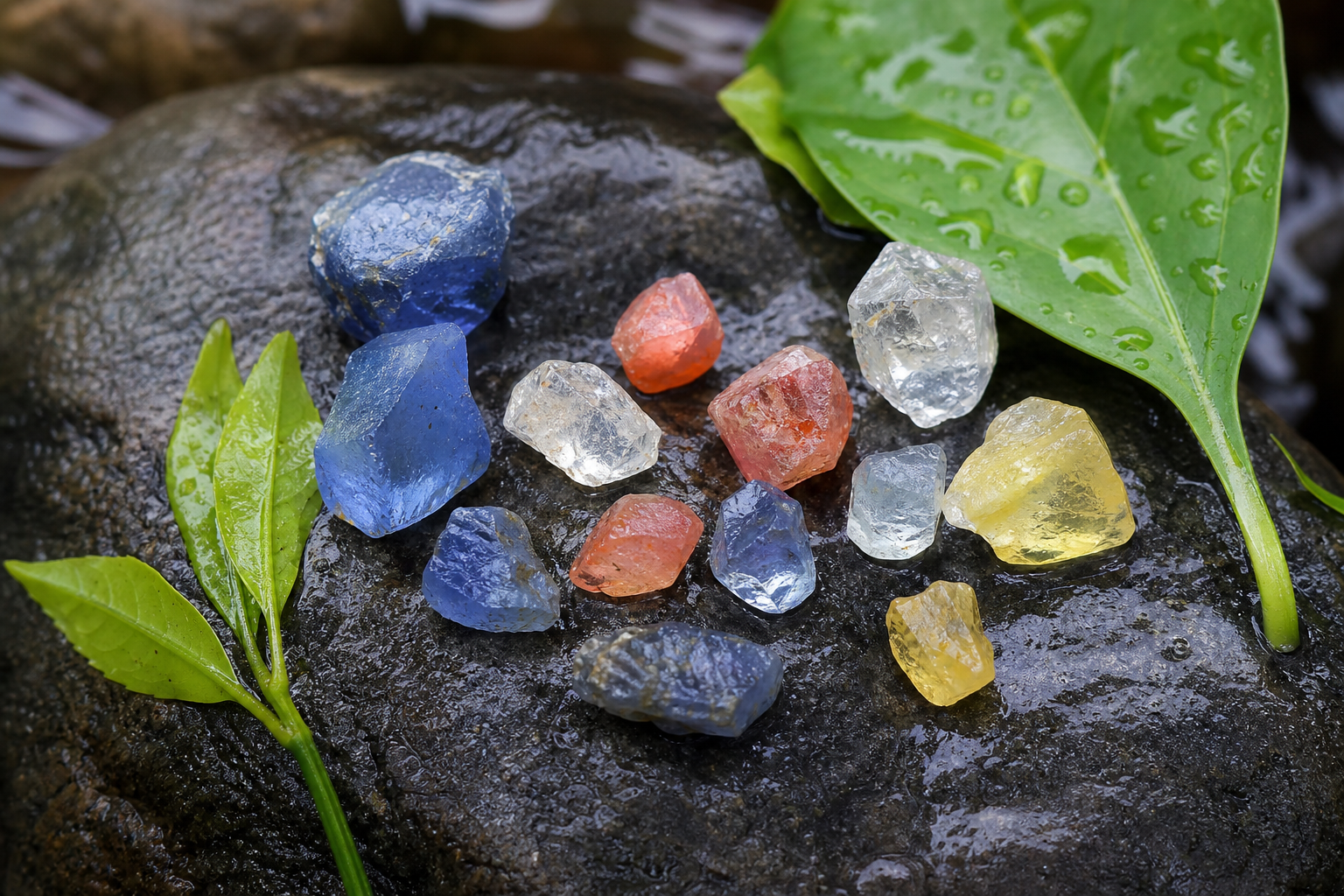
A rough sapphire seldom announces the finished stone. Skilled cutters study colour zoning, inclusions and crystal shape before deciding how to orient each facet. The goal is not simply maximum weight, but the balance of colour, brightness and proportion that allows a Ceylon sapphire to appear alive.
The Ceylon sapphire palette
Sapphire is corundum. Trace elements and crystal chemistry create the island’s extraordinary range of colour.
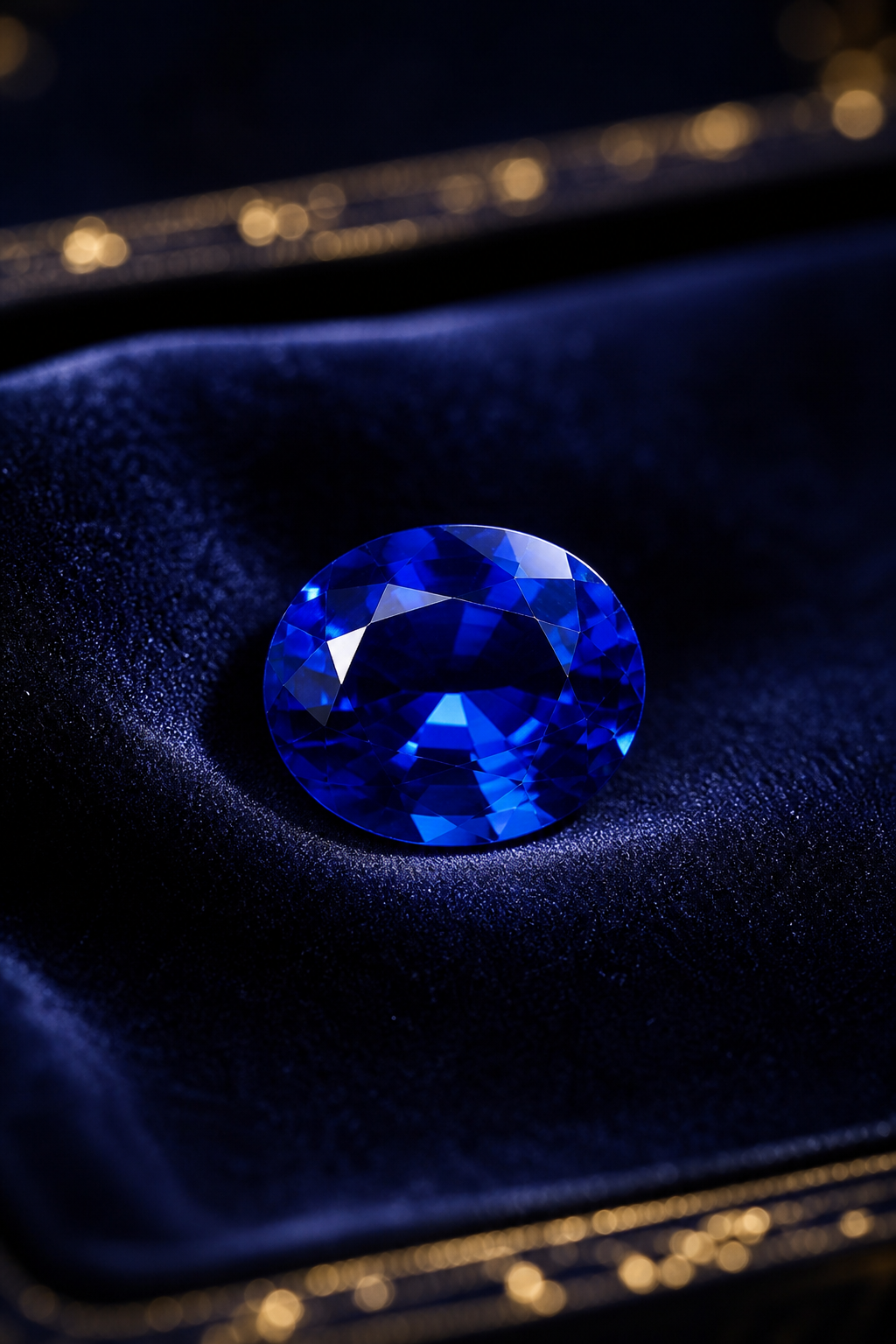
Blue sapphire
From airy cornflower to saturated royal blue, fine stones combine colour with brightness rather than darkness.
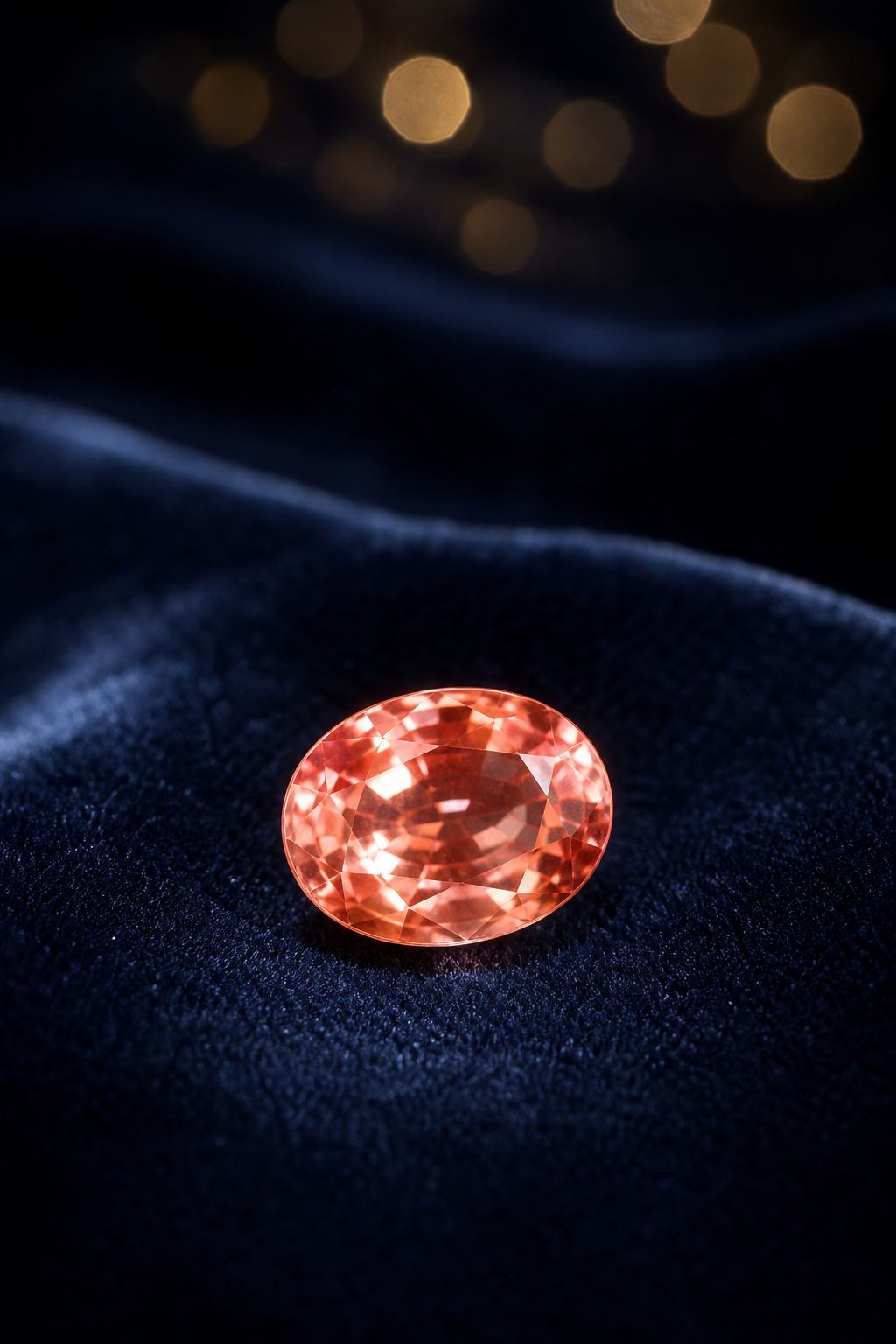
Padparadscha
The celebrated lotus colour: an elusive balance of pink and orange whose name comes from Sinhala.
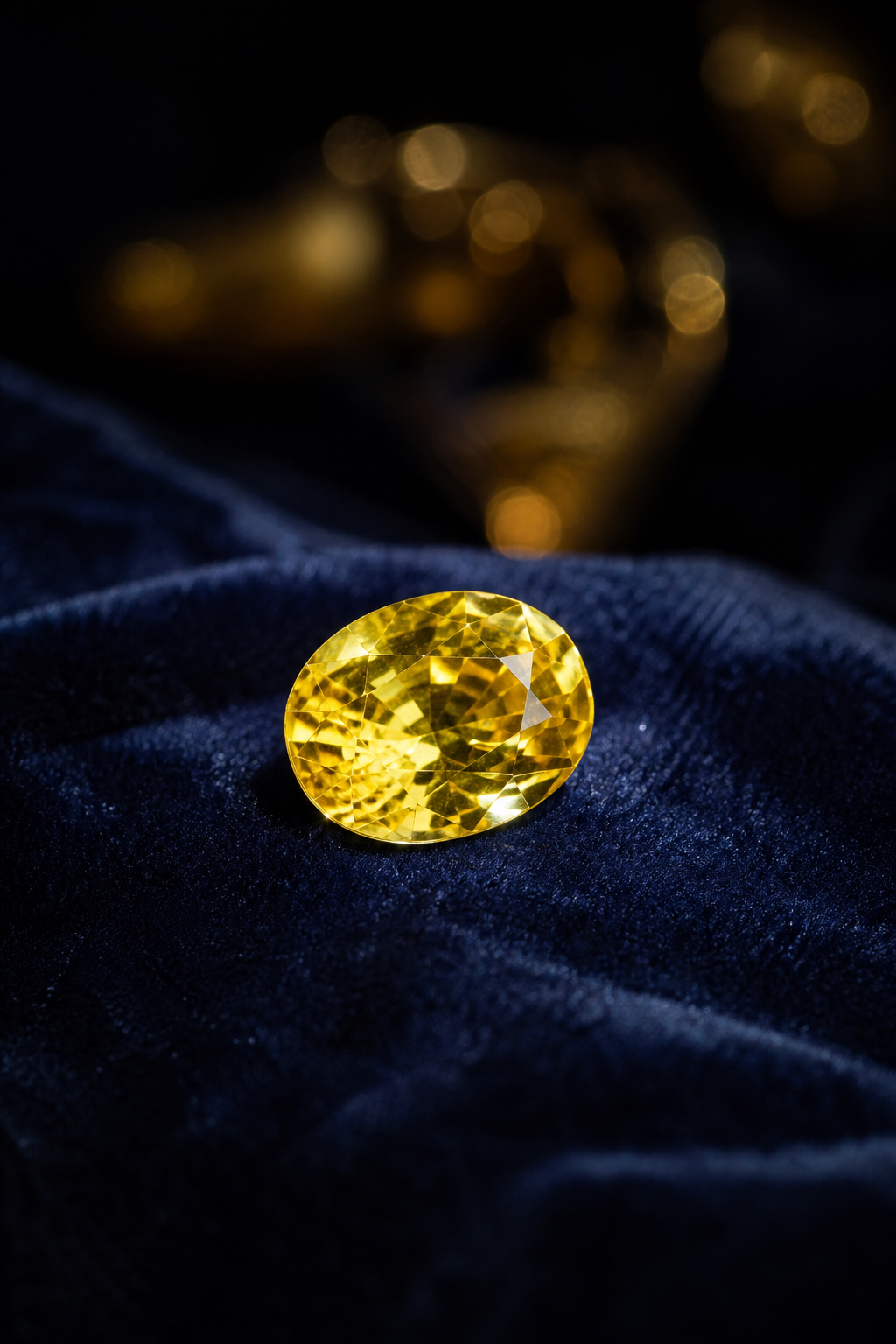
Yellow sapphire
Lemon, canary and deep golden hues valued for joyful colour and lively brilliance.
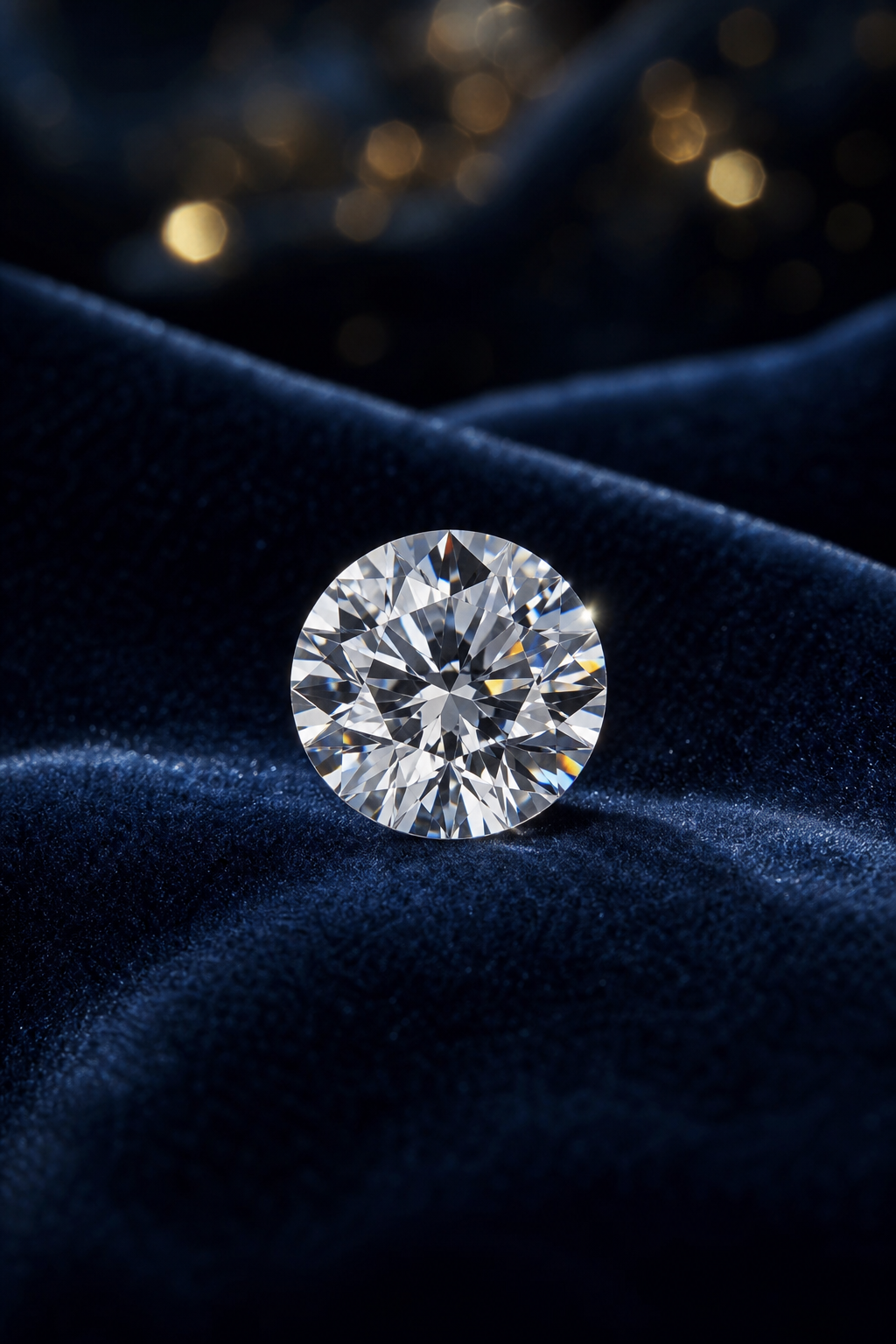
White & star sapphire
Colourless stones offer crisp brilliance; silk-rich cabochons may display a moving six-rayed star called asterism.
The sapphire ring that captured the world
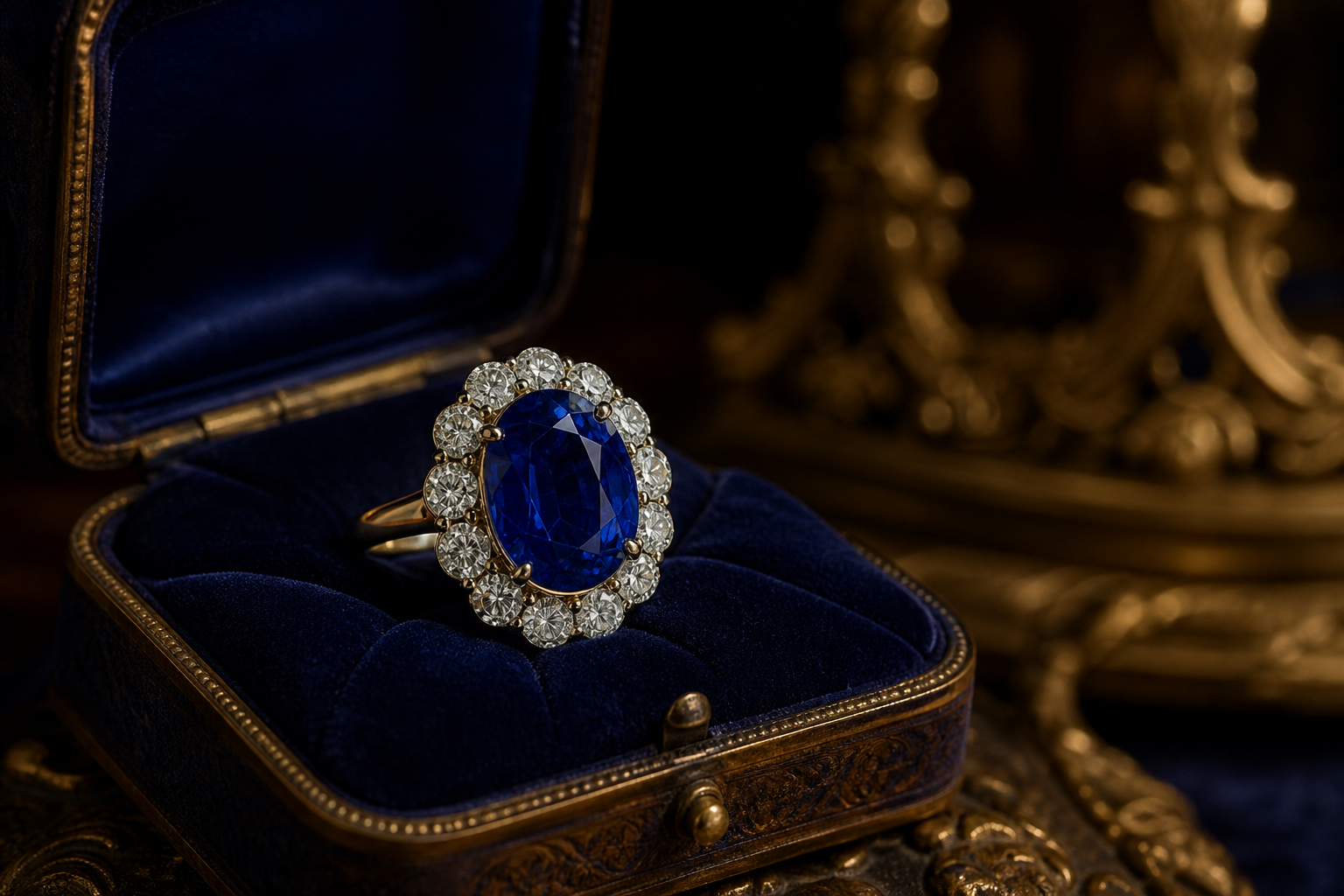
In 1981, Lady Diana Spencer chose an oval blue sapphire engagement ring surrounded by diamonds. Gemmological and Sri Lankan industry sources widely document the approximately 12-carat centre stone as a Ceylon sapphire.
The ring returned to global attention when Prince William presented it to Catherine, now Princess of Wales. Its influence reached far beyond royal jewellery: demand for Sri Lankan blue sapphire engagement rings rose in international markets, and the sapphire-and-diamond halo became one of the most recognised jewellery designs of the modern era.
The photograph shown is an original editorial tribute, not the royal ring itself.
Ceylon gems that entered history
Sri Lanka is exceptional not only for quality and colour, but for producing crystals large enough to become museum and auction landmarks.
The Logan Sapphire
One of the world’s largest faceted blue sapphires, cut from Sri Lankan crystal and now held by the Smithsonian. Its natural colour shows no evidence of heat treatment in the cited GIA report.
The Blue Belle of Asia
Discovered near Ratnapura in 1926. Laboratory reports describe Ceylon origin with no indications of heating. Its 2014 Christie’s sale achieved more than US$17.2 million.
The Star of India
Despite its famous name, GIA records this immense grayish-blue star sapphire as discovered in Sri Lanka. Its intersecting rutile silk creates a star visible on both sides.
The Star of Lanka
A major Sri Lankan star sapphire associated with the National Gem and Jewellery Authority and the island’s long tradition of phenomenal stones.
What makes a Ceylon sapphire valuable
Country of origin is only one part of value. Fine colour, brightness, transparency, cutting, size, condition, treatment status and the quality of the supporting report all matter. A weak stone does not become exceptional because of a country name, and a beautiful heated stone may offer greater pleasure than an unheated stone with poor colour.
Understand certification and treatmentBegin with colour
Explore available sapphires or ask us to source a particular hue, size or certification profile.